The relationship between hospitality and vacation ownership is evolving. Although they have historically operated with different objectives and metrics, both share a common purpose: generating value through the guest experience, customer loyalty, and business profitability.
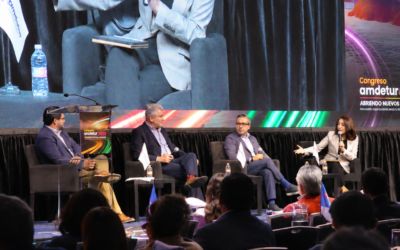
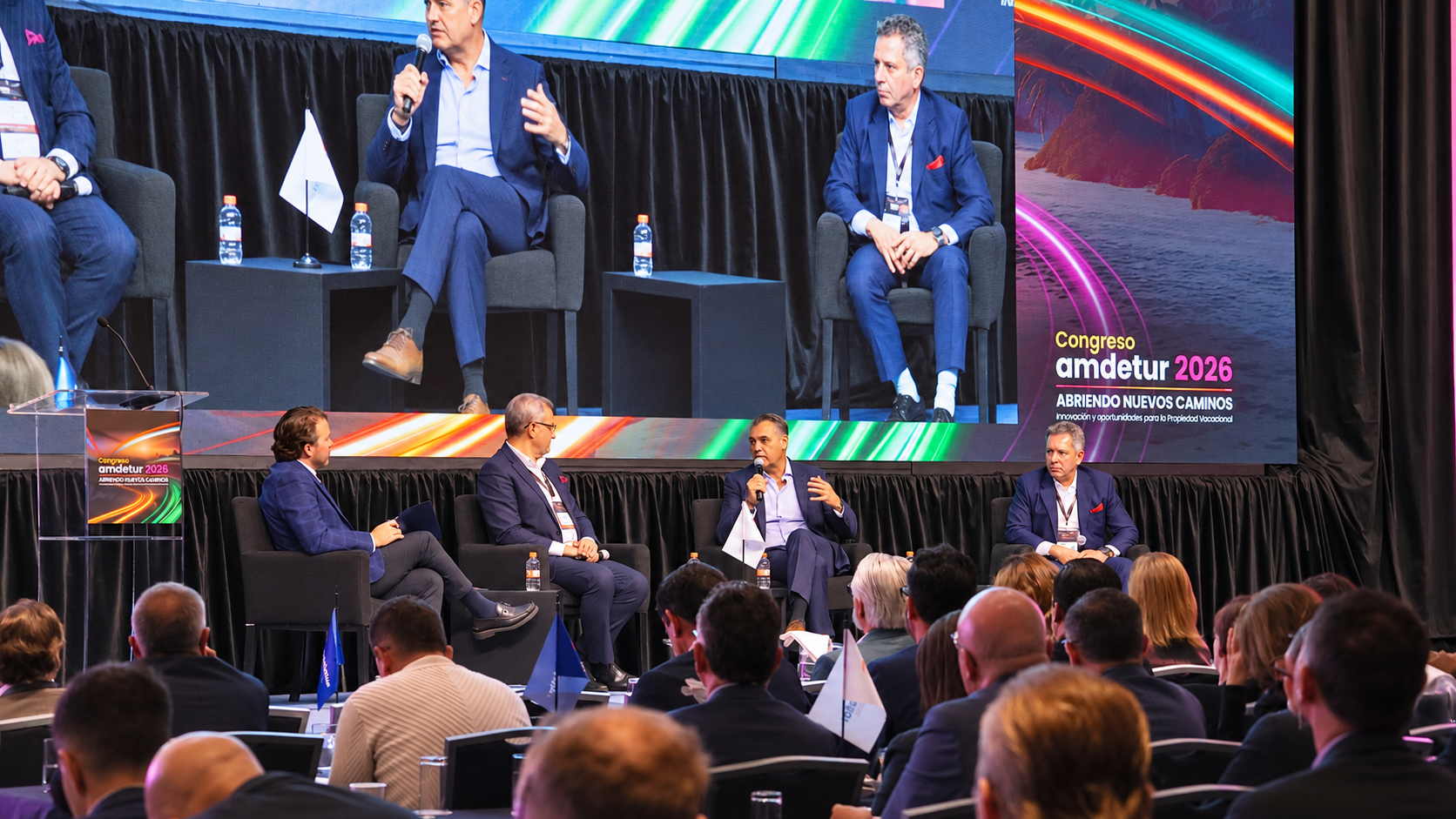
During the AMDETUR 2026 Congress, Enrique Calderón Fernández (Grupo Posadas), Daniel García Langa (Club by Meliá), and Bernardo Cabot Estarellas (Royal Holiday), moderated by Alexis Ralph (Interval International), shared their experiences on how to integrate both models, leverage their strengths, and overcome operational and commercial challenges to build a shared vision.
Hospitality and Vacation Ownership: Complementary Models
One of the panel’s key messages was that vacation clubs should not be viewed as competitors to hotel operations, but rather as strategic channels capable of generating recurring occupancy and long-term customer relationships.
From Grupo Posadas’ experience, vacation programs help deepen relationships with guests who are already familiar with the brands and wish to return. At Meliá, the club is managed as a distribution channel integrated into the hotel business, with shared objectives and a common vision of profitability.
Royal Holiday, for its part, highlighted the value of having a membership base that contributes to maintaining stable occupancy levels and facilitates business planning.
New Travelers, Experiences, and More Flexible Products.
Changes in traveler preferences are also transforming the relationship between hospitality and vacation ownership.
Grupo Posadas shared how it has developed personalized experiences centered around interests such as gastronomy, wellness, and family activities, seeking to make the purpose of travel go beyond accommodation.
Meliá, meanwhile, explained the evolution toward more flexible vacation products that allow members to choose when to travel, whom to travel with, and what type of room to book.
Both perspectives reflect the importance of adapting products and services to different generations, lifestyles, and consumer expectations.
Inventory Management and Profitability: Overcoming Differences
One of the most significant challenges of integration is balancing the needs of hotel operations with the commitments made to members.
While hotels seek to optimize rates, occupancy, and revenue, vacation clubs need to guarantee availability and deliver the promised benefits.
The panelists agreed that coordination among commercial teams, hotel operations, revenue management, and asset management makes it possible to find solutions that support overall profitability.
Royal Holiday’s experience with Accor and the models developed by Posadas and Meliá demonstrate that aligning objectives, budgets, and inventory helps overcome the traditional differences between these two areas.
The Member Experience as a Shared Priority
Beyond profitability, integration must be reflected in the customer experience.
During the discussion, the importance of fulfilling commercial promises, recognizing members throughout hotel operations, and ensuring they receive the benefits associated with their memberships was emphasized.
The panel also addressed the need to develop sales processes that respect the vacation experience, avoiding intrusive approaches and prioritizing relationships built on trust.
The panel’s main conclusion was that hospitality and vacation ownership generate greater value when they stop operating as separate businesses and share a long-term vision in which member satisfaction, occupancy, and asset profitability are part of the same strategy.